
Captions Disappear. Pixels Remain.
Why stamping the place and date on your photos is a marketing decision, not a styling one
Stamp a place name or logo onto a photo, and it becomes advertising that can’t be stripped away. A social post loses its caption and links the moment it’s screenshotted or reshared — but a name baked into the image travels wherever the photo goes. In an era of collapsing organic reach and trusted user content, that’s the simplest, most durable way to be seen.

Picture the moment one of your photos leaves your post.
Someone screenshots it. Another account reposts it. A friend sends it in a DM or saves it to Pinterest. In that instant, everything around the photo disappears — the caption, the hashtags, the location tag, the link back to your profile. What remains is the image itself, and nothing else.
That single fact is one of the most important things to understand about modern digital marketing — and it’s the whole reason to stamp a place name and logo onto a photo.
Why is “post it and they’ll see it” over?
Social platforms used to be a free distribution channel: post something, and most of your followers saw it. That era is over. According to Hootsuite (2024) and Socialinsider, average organic reach on Instagram was about 4% in 2024 — down 18% year over year — and fell to 2–3% for business accounts by mid-2025. Facebook Pages often sit at 1–2%.
If you have 50,000 followers, a single post might reach around 1,500 of them. The algorithm decides the other 48,500 don’t need to see it. Social media is now pay-to-play: you reach a wide audience only when you pay for it. Posting from your own account is no longer enough.
If the post doesn’t reach people, why does the photo survive?
Because the photo keeps traveling even when the post doesn’t. Every time it’s screenshotted, reposted, saved, or sent in a DM, the caption and links fall away — but a place name or logo baked into the image survives all of it.
Marketers have a name for this untrackable, private sharing: dark social, a term coined in 2012 by Alexis Madrigal of The Atlantic for the sharing that happens in DMs, Stories, group chats, and messaging apps — beyond the reach of analytics. (The name is misleading: it has nothing to do with the “dark web.”) Captions never follow a photo into those places. A stamped name does.
The caption dies the moment it leaves the post. The pixels remain.
That’s fundamentally different from advertising that depends on metadata or campaign tags. It’s the form of branding that’s hardest to strip away.
Why is “a photo your customer took” the strongest ad of all?
Because a real visitor’s photo is trusted more than anything a brand says about itself. Across Nielsen’s Global Trust in Advertising studies, around nine in ten people say they trust recommendations from people they know more than advertising (92% in 2012, 88% in 2021), and 66% trust consumer opinions posted online (Nielsen, 2015).
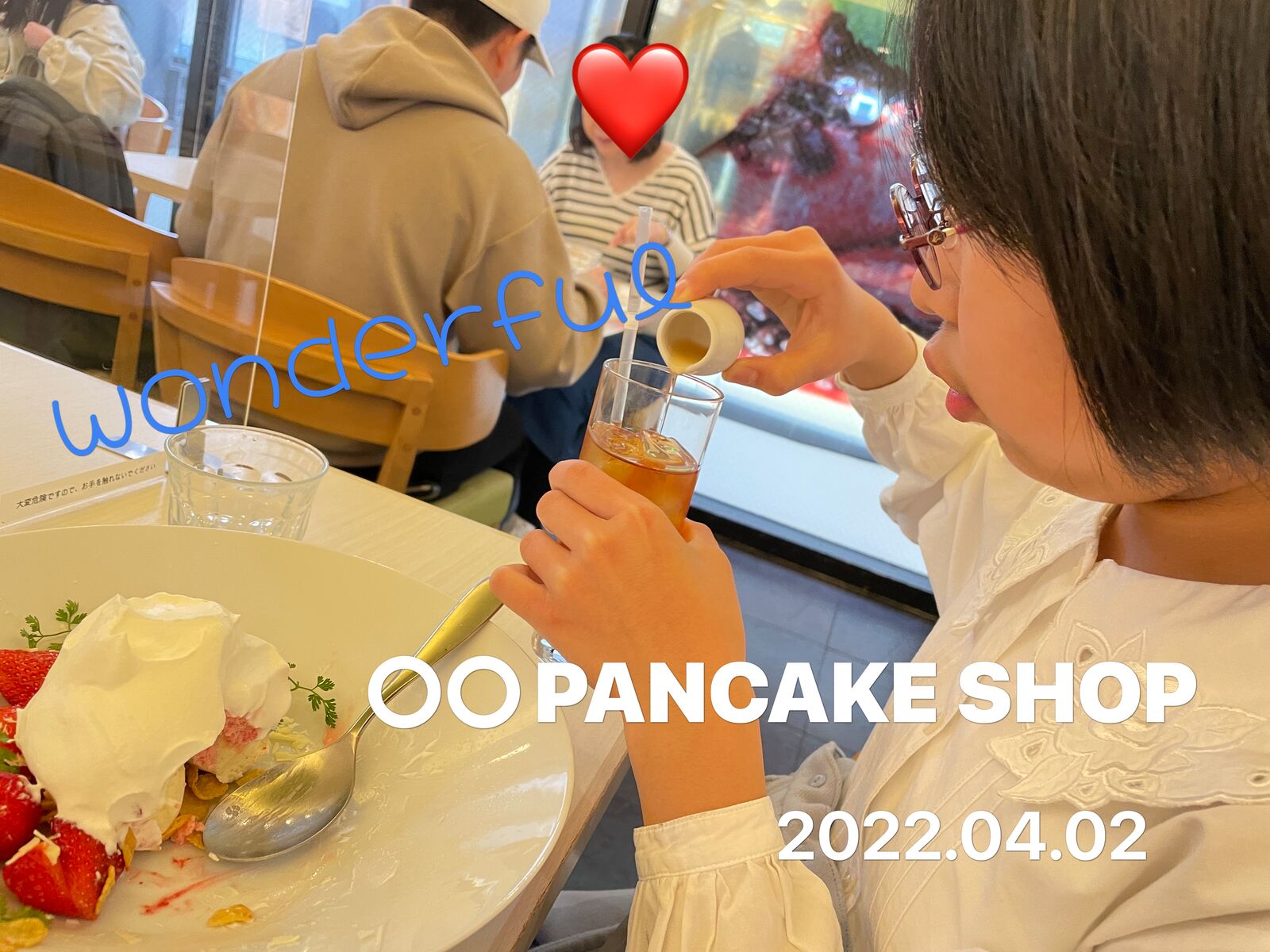
This is where stamping comes in. A real visitor’s photo is already trusted, authentic content. Stamp a place name or logo onto it, and the most trusted kind of content and the one piece of branding that can’t be stripped away live in the same single image. ComScore has found that mixing user-generated content with brand-made content lifts engagement by about 28%.
Think of how GoPro built a giant brand on footage its own users shot. Most of their advertising was customer-made, and the context — “this was shot on a GoPro” — traveled with every clip. The same structure works for a place name, a shop name, or a city.
What happens when the same place name appears again and again?
People grow fond of what they see repeatedly. Psychologists call it the mere-exposure effect (Zajonc, 1968), and it’s why ads repeat the same message. When a place name or logo shows up across dozens of people’s feeds, again and again, each appearance is small — but together they add up to real brand-building, at zero additional ad spend.
This is exactly what destinations and venues want most: to be the first name that comes to mind. A stamped place name nudges that along quietly, but reliably.
Who is this for, and how would they use it?
It works in three settings. What they share is that the information stays inside the image even when the photo is reshared.
Local government (B2G). Staff add the municipality’s name and logo to photos for official social accounts. When a post is reshared, which town published it stays inside the image — so tourism promotion carries the town’s name with every repost.
Shops and venues (B2B). A customer’s photo carries the shop’s name. When that single image flows into a friend’s feed, the name becomes a starting point for discovery — a natural nudge toward a visit.
Individuals (B2C). A trip or an everyday moment becomes a beautiful image that also shows, at a glance, where it was taken. Look back later, and the memory comes straight back.
So can you say “stamp it and the customers will come”?
No — because stamping isn’t magic. There’s no way to measure how many visits it produced, and no honest way to promise a number.
What stamping guarantees is something more structural: your name is in the pixels of the image, so it survives in the places where captions get stripped away. What happens after that — whether the photo is a beautiful shot worth sharing — depends on the person and the moment.
Which is exactly why doing it beautifully matters. A date or place slapped on carelessly is something no one wants to share.
KIOKUN is a dedicated editor for exactly this
KIOKUN is a photo editor built for one thing: stamping place names, dates, and logos onto photos, beautifully. It works on photos you’ve just taken and on photos already in your camera roll. It isn’t a general-purpose editor — it’s built to do “stamping as a record” better than anything else.
The place comes from your current location when you shoot, or from the GPS data a camera-roll photo already carries. You choose the font, the color, the stamps, and where the logo sits — and your photos are never sent to our servers; all image processing happens on your device. That said, resolving a place name does send the capture coordinates through our servers (which relay them to Google’s place search service) and Apple’s mapping and geocoding services. KIOKUN never tracks your location in the background. The camera is there to capture an accurate location on the spot and move straight into recording; the star is always the finished, stamped image.
If you run a shop, see KIOKUN for restaurants & shops for putting your name on every photo; for team field records, see KIOKUN for teams.
A place, a date, and your logo — on the photo itself. On a shot you just took, or one already in your camera roll. All image processing on your device.
Captions disappear. Pixels remain. Every memory, forever bright.
FAQ
- Isn't writing it in the caption enough? Why put it on the image itself?
- Captions are lost when a photo is screenshotted, reposted, or shared in a DM. What remains is the image itself. Stamp a place name or logo onto the image, and the information travels with the photo wherever it goes. Being impossible to strip away is the decisive difference from a caption.
- Is KIOKUN a camera app?
- No. KIOKUN is a dedicated editor for stamping place names, dates, and logos onto photos. It works on existing photos in your camera roll, too. The camera feature is a helper for capturing an accurate location and moving into recording — the star is always the finished, stamped image.
- Where does the location come from? Is it private?
- KIOKUN works out where a photo was taken from your current location when you shoot (requested only while you’re using the app), or from the GPS data a camera-roll photo already contains. Your photos are never sent to our servers, and all image processing happens on your device. That said, resolving a place name does send the capture coordinates through our servers (which relay them to Google’s place search service) and Apple’s mapping and geocoding services. The result is stored on our servers for a limited period, along with a coarsened version of the coordinates. KIOKUN never tracks your location in the background.
- Won't stamping make the photo look worse?
- You choose the font, color, placement, and stamps, so it comes out as a natural, beautiful record. Looking good enough to share is, after all, a prerequisite for any of this to work.
Sources / References
- Hootsuite (2024), “Organic reach is declining across social media” — the decline in organic reach (Instagram ~4%, down 18% YoY; Facebook 1–2%). https://blog.hootsuite.com/organic-reach-declining/
- Socialinsider, “Instagram Engagement Benchmarks” — Instagram reach and engagement metrics. https://www.socialinsider.io/social-media-benchmarks/instagram
- Madrigal, Alexis C. (2012), “Dark Social: We Have the Whole History of the Web Wrong,” The Atlantic — origin of the term “dark social.” https://en.wikipedia.org/wiki/Dark_social_media
- Nielsen (2012), “Trust in Advertising — Paid, Owned and Earned” — 92% trust recommendations from people they know. https://www.nielsen.com/insights/2012/trust-in-advertising-paid-owned-and-earned/
- Nielsen (2021), “Trust in Advertising Study” — 88% trust recommendations from people they know. https://www.nielsen.com/insights/2021/beyond-martech-building-trust-with-consumers-and-engaging-where-sentiment-is-high/
- Nielsen (2015), “Global Trust in Advertising” — 66% trust consumer opinions posted online. https://www.nielsen.com/insights/2015/global-trust-in-advertising-2015/
- ComScore — mixing user-generated content with brand content lifts engagement by ~28% (widely cited in UGC statistics compilations).
- Zajonc, R. B. (1968). “Attitudinal Effects of Mere Exposure.” Journal of Personality and Social Psychology, 9(2, Pt.2), 1–27.
KIOKUN — Free on the App Store (free for your first 10 photos) Endots (Koryu Kawatani) / Made in Japan